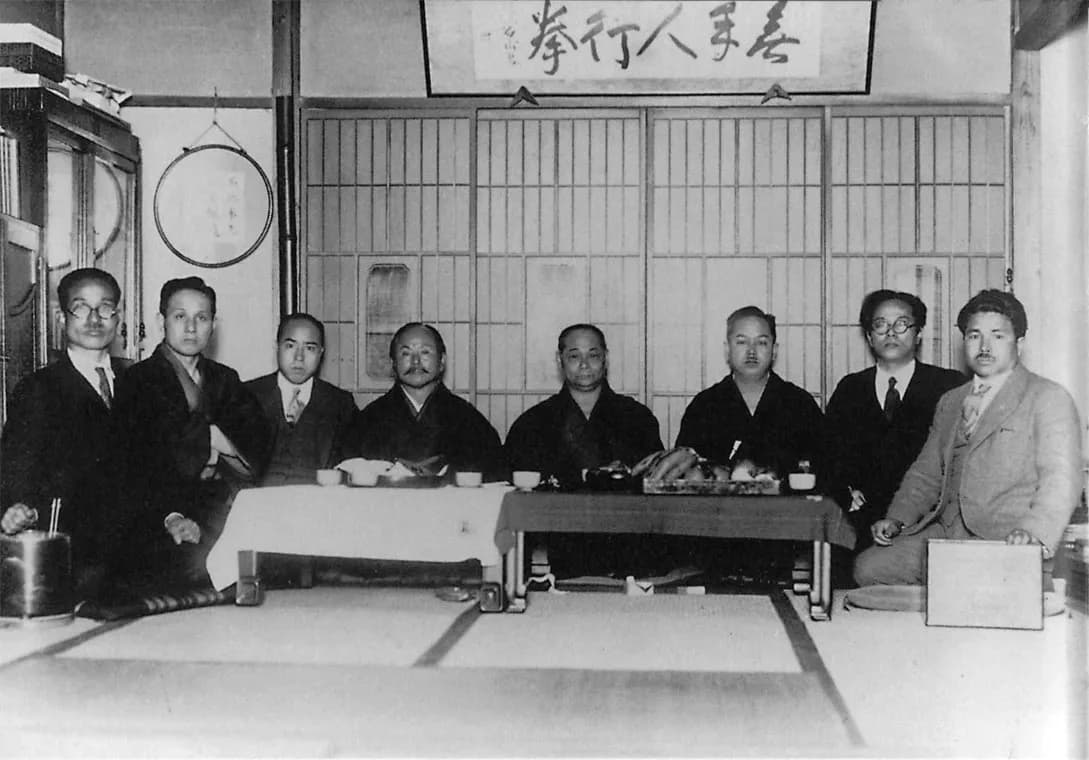
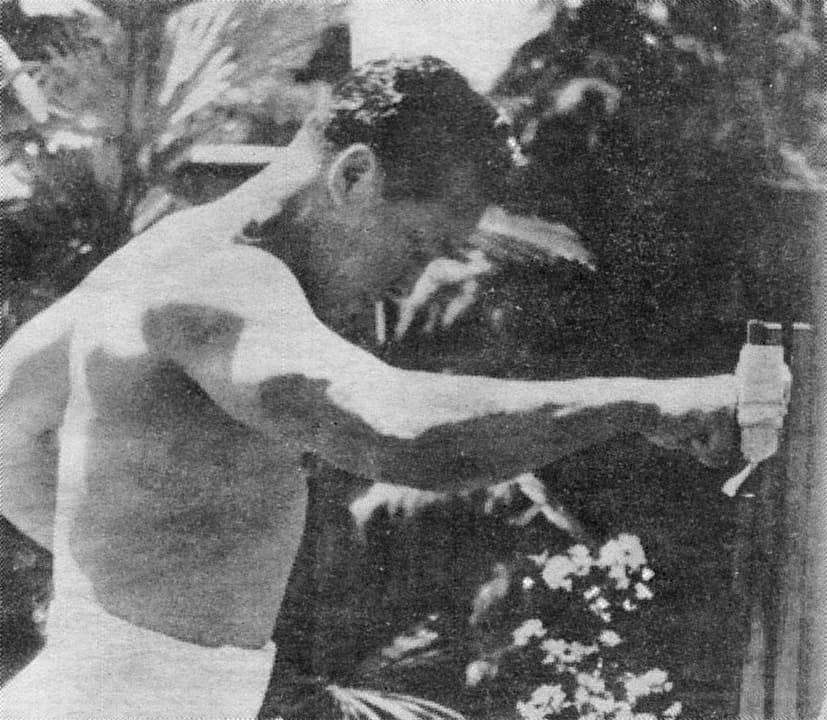
Karate (空手, “empty hand”) grew out of the indigenous fighting methods of Okinawa, shaped by centuries of exchange with southern China. Gichin Funakoshi's demonstrations in Tokyo in 1922 brought it to mainland Japan, where it was organised into styles, ranks and a school curriculum. Today it is one of the most widely practised martial arts in the world.
- Kihon: Basics – stances, blocks, punches and kicks drilled in lines.
- Kata: Set forms that store the techniques and principles of a style.
- Kumite: Sparring, from pre-arranged drills to full competition.
- Main styles: Shotokan, Gōjū-ryū, Shitō-ryū and Wadō-ryū are the big four; Kyokushin stands for full-contact karate.
Anyone who values structure, precision and a clear path through grades. Karate was an Olympic sport once, at Tokyo 2020, and competition exists in both point-fighting and full-contact formats. A gi and a mouthguard are enough to begin.
Further reading: Karate on Wikipedia