History
The History of Wrestling: The Oldest Sport on Earth
From Egyptian tomb paintings and the Greek Olympics to Greco-Roman, freestyle and catch: how the world’s oldest sport reached the modern mat.
8 min read · 20 September 2026 · updated 21 September 2026
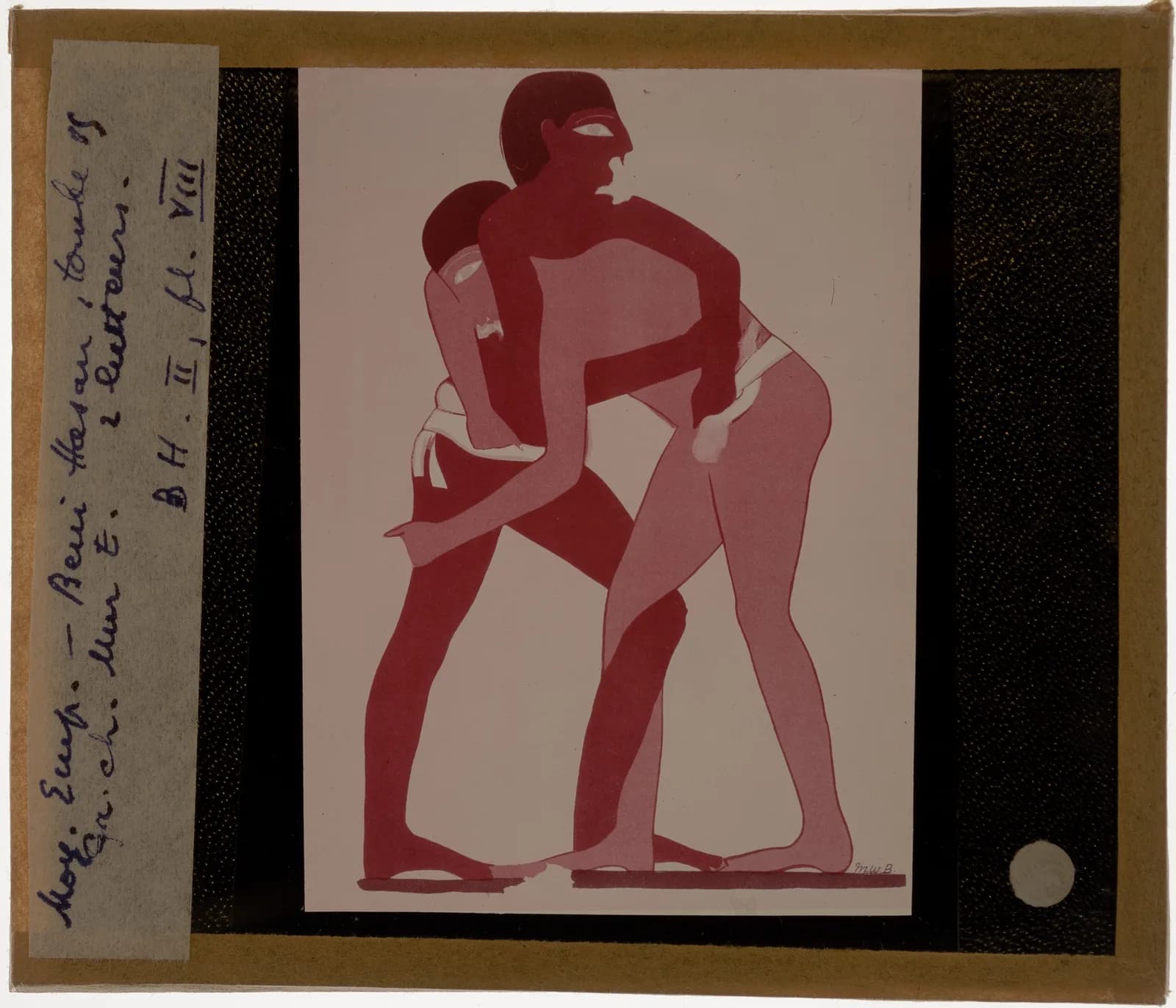
Photo: Wrestlers from the tomb of Baqet III at Beni Hasan, c. 2000 BC (facsimile). Public domain, via Wikimedia Commons.
In this article
Timeline
- c. 3000 BC
A Sumerian bronze from Khafaji shows two wrestlers gripping each other's belts – the oldest known depiction of the sport.
- c. 2000 BC
The tombs of Beni Hasan in Egypt are painted with hundreds of wrestling pairs showing holds still used today.
- 708 BC
Wrestling (pale) is added to the ancient Olympic Games; pankration, combining wrestling and striking, follows in 648 BC.
- 6th c. BC
Milo of Croton wins the Olympic wrestling title six times – the first great champion whose name survives.
- 1362
The Kırkpınar oil-wrestling festival in Turkey is said to begin; it is still held every year.
- 1539
Fabian von Auerswald publishes Ringer Kunst, an illustrated manual of German wrestling from the tradition of the fencing masters.
- 1840s
French professional wrestlers develop the upper-body style later called Greco-Roman; catch-as-catch-can grows in Lancashire, England.
- 1896
Greco-Roman wrestling is held at the first modern Olympics in Athens; Carl Schuhmann of Germany wins.
- 1904
Freestyle wrestling, from the catch tradition, enters the Olympics at St. Louis.
- 1908–1911
Frank Gotch beats George Hackenschmidt twice for the world professional title – the peak of legitimate catch wrestling and the start of the staged era.
- 1912
The international federation later known as FILA is founded; it becomes United World Wrestling in 2014.
- 2004
Women's freestyle wrestling joins the Olympic programme in Athens.
- 2013
The IOC votes to drop wrestling from the 2020 Games, then reinstates it seven months later after worldwide protest.
Around 2000 BC a nobleman named Baqet III had the walls of his tomb at Beni Hasan, in Middle Egypt, painted with wrestling: more than four hundred pairs of men in sequence, arm drags, hip throws, leg trips and pins, laid out like a manual. Any coach today could teach a class from that wall. Four thousand years later, in the first week of any wrestling course, somebody does.
The short answer: wrestling has the oldest evidence of any organised sport, a Sumerian bronze from around 3000 BC; every culture on earth invented a version and none abandoned it; and in the 19th century two of those versions, French professional wrestling and Lancashire catch-as-catch-can, became the Olympic styles of Greco-Roman and freestyle, while the catch professionals of the 1900s fathered the staged show that borrowed the sport's name. From the tombs to the modern mat, in order.
Key facts
- Oldest evidence
- Sumerian bronze, c. 3000 BC; Beni Hasan paintings, c. 2000 BC
- Ancient Olympics
- Wrestling added 708 BC; pankration 648 BC; Milo of Croton, six titles
- Modern Olympic styles
- Greco-Roman (Athens 1896), freestyle (St. Louis 1904), women's freestyle (2004)
- World body
- FILA, founded 1912; United World Wrestling since 2014
- Oldest running event
- Kırkpınar oil wrestling, Turkey, held since the 14th century
- Modern role
- Base of MMA; foundation of professional wrestling via catch-as-catch-can
Sumer, Egypt and a wall full of holds
The oldest image of a sport is a wrestling match. A small bronze found at Khafaji in Iraq, dated to around 3000 BC, shows two Sumerian men with their hands on each other's belts – the grip of the belt wrestling still practised across Central Asia. Five hundred years later the nobles of Beni Hasan were having their tomb walls painted with it, and Baqet III's tomb alone holds those four hundred pairs. Egyptian wrestling was a soldier's exercise and a spectacle for the court. Judging by the walls, it was also a sophisticated technical system.
The oldest literature wrestles too. In the Epic of Gilgamesh the hero and the wild man Enkidu grapple before they become friends. In the Hebrew Bible Jacob wrestles an angel. In the Mahabharata of India the hero Bhima is a wrestler, and Indian malla-yuddha and its Persian cousin koshti have continuous histories into the present. Chinese records describe jiao di wrestling as military training by the Zhou dynasty, and Japanese chronicles place the first sumo bout in the 1st century BC. Wherever people wrote, they wrote about wrestling.
Greece: three falls, a pit of sand and Milo of Croton
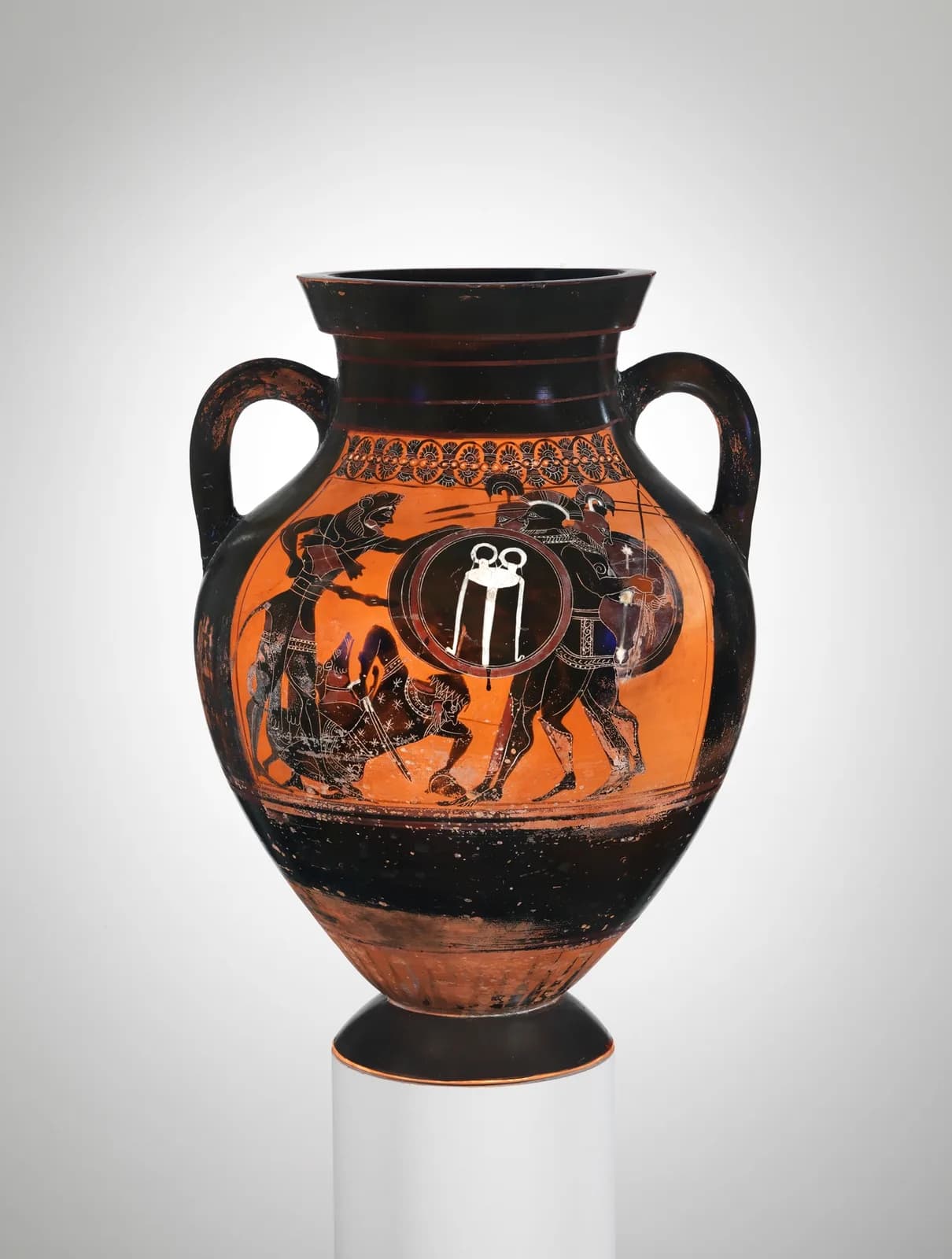
The Greeks put wrestling at the centre of education. Boys learned it in the palaestra, the wrestling school that gave the building its name. The sport, pale, entered the Olympic Games in 708 BC, and by the classical period it was fought standing, in a sanded pit, until one man had thrown the other to the ground three times. It was the second half of the pentathlon, and combined with striking it became pankration (added in 648 BC), the all-in fight in which only biting and eye-gouging were banned and which the Greeks regarded as the ultimate test.
The first champion whose name and career survive is Milo of Croton. He won the Olympic wrestling title six times between about 540 and 516 BC, added seven Pythian and ten Isthmian titles, and left behind feats of strength that became proverbial: carrying a bull, holding a pomegranate that no one could take from his hand. He is said to have died trapped in a tree he had tried to split with his hands. Plato was a wrestler too; the name we know him by was, tradition says, a wrestling nickname meaning “broad”.
Rome kept Greek wrestling as entertainment and exercise, and the Byzantine Empire preserved it after the Olympic Games were abolished in AD 393. In Europe it lived on not as a sport but as a soldier's skill.
Knights, fencing masters and village greens
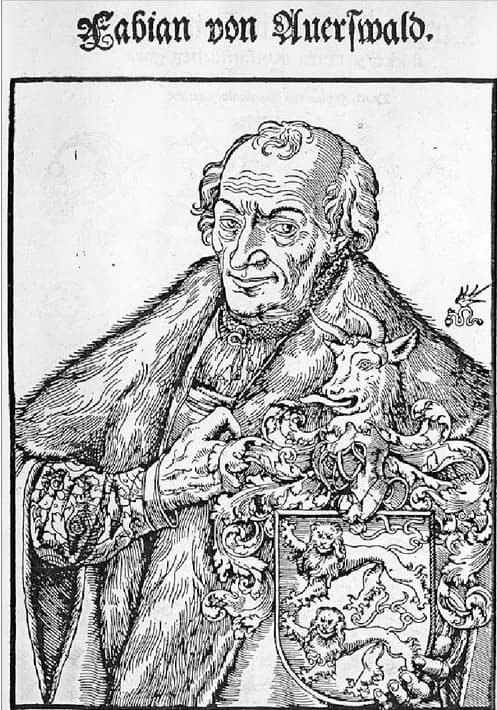
The fencing masters of late medieval Germany taught wrestling as part of the knightly arts, for a practical reason: a fight in armour usually ended on the ground. Their manuals, from the 15th-century treatises of the Liechtenauer tradition to Fabian von Auerswald's Ringer Kunst of 1539, illustrate throws, joint locks and ground holds, and Albrecht Dürer himself drew a wrestling manual. In England wrestling was a village sport with regional rules: Cornish wrestling in jackets, Cumberland and Westmorland with a locked back-hold, and Lancashire catch-as-catch-can, in which any hold was allowed, on the ground as well as standing, and the match ended in a pin or a submission. Lancashire will matter later.
Outside Europe the folk styles never stopped. Kırkpınar in Turkish Thrace, where wrestlers in leather trousers cover themselves in olive oil, has been held, by tradition, since 1362, which makes it the oldest continuously running sporting competition in the world. Bökh is the centre of Mongolia's Naadam festival. Sumo became Japan's national sport, with professional ranks from the 17th century. Iranian koshti is practised in the zurkhaneh, the houses of strength, and laamb fills stadiums in Senegal today. Wrestling is the one sport every culture invented on its own and none gave up.
Music halls and Lancashire: the modern styles
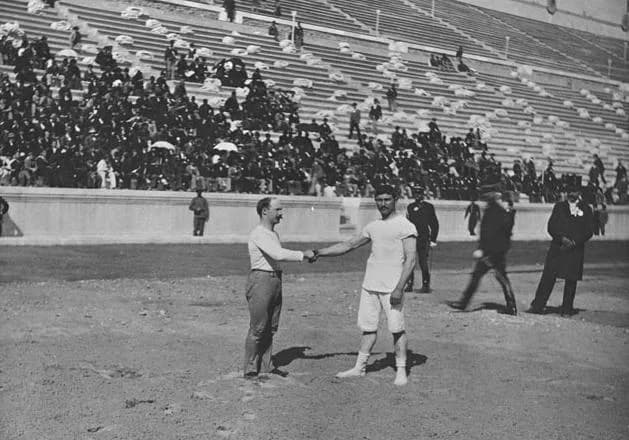
Two 19th-century styles became the modern sport, and both were professional long before they were Olympic. In France, professional wrestlers of the 1840s, performing in music halls and at fairs, developed a style that banned every hold below the waist and any use of the legs, which made for a show of lifts and throws. A Frenchman, Jean Exbrayat, is credited with the rules; an Italian, Basilio Bartoletti, with the name, Greco-Roman, chosen for its classical prestige and with little regard for what Greeks or Romans had actually done. It spread through the professional circuits of Europe and, when the Olympic Games were revived, became the wrestling of Athens 1896, where the German gymnast Carl Schuhmann won the single open-weight event.
The Anglo-American style came from Lancashire. Catch-as-catch-can allowed holds anywhere, pins and submissions, and travelling professionals carried it to the United States, where it merged with local traditions and became the sport of fairs, carnivals and, later, universities. Under the name freestyle, with the submission holds removed, it entered the Olympics at St. Louis in 1904, contested only by Americans. Greco-Roman and freestyle have both been Olympic styles ever since, governed by the international federation founded in 1912 – long called FILA, and since 2014 United World Wrestling. Weight classes, a mat instead of a pit, time limits and points for takedowns and exposures all arrived in the 20th century.
Gotch and Hackenschmidt: the last real matches
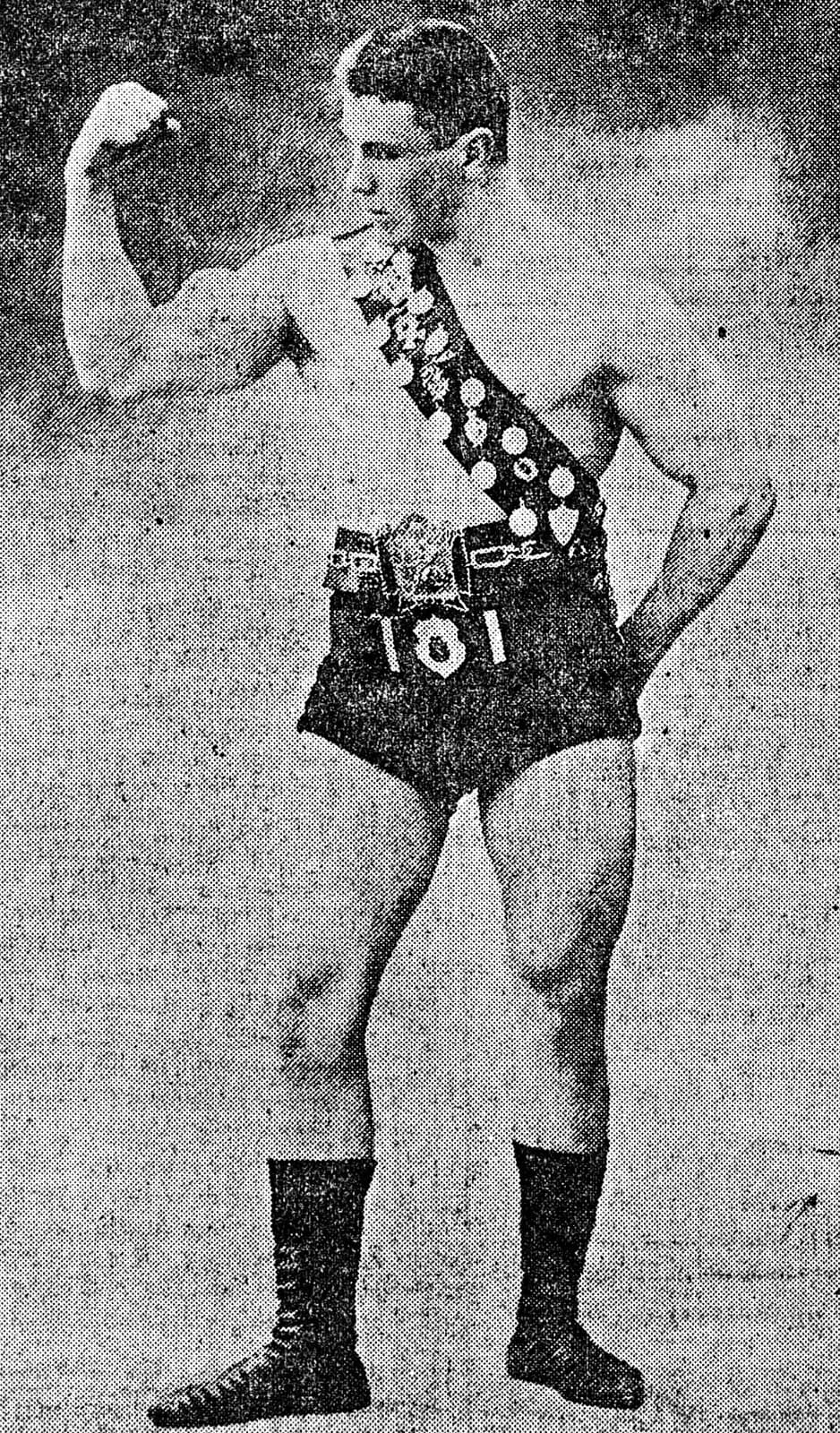
Around 1900 wrestling was, briefly, the biggest spectator sport in the world, and its champions were the real thing. George Hackenschmidt (1877–1968), an Estonian strongman who had learned Greco-Roman in St. Petersburg, toured Europe unbeaten, switched to catch in London and was recognised as world champion. Frank Gotch (1877–1917), an Iowa farm boy trained in the American catch tradition by the champion Tom Jenkins and the wily Martin “Farmer” Burns, was the best of the Americans. They met in Chicago on 3 April 1908 and wrestled for more than two hours, until Hackenschmidt, exhausted and complaining of Gotch's tactics, conceded. The rematch, on 4 September 1911 in front of 30,000 people at Comiskey Park, went to Gotch in two straight falls against an injured opponent.
Gotch retired in 1913 as the most famous athlete in America, and his era was the end of the real thing. Promoters had discovered that a rehearsed match with a predictable finish drew better than a two-hour stalemate, and by the 1920s professional wrestling in the United States was theatre. Its holds, its terminology and its toughest performers still came from catch – Lou Thesz, champion into the 1960s, was a genuine submission wrestler – and catch itself went on being taught in Wigan, England, at the gym known as the Snake Pit, whose graduates would later shape Japanese shoot-style wrestling and, through Karl Gotch, the submission grappling of early mixed martial arts. The sport had become a show. Underneath the show, it was still the sport.
The mat, the medals and seven months in 2013
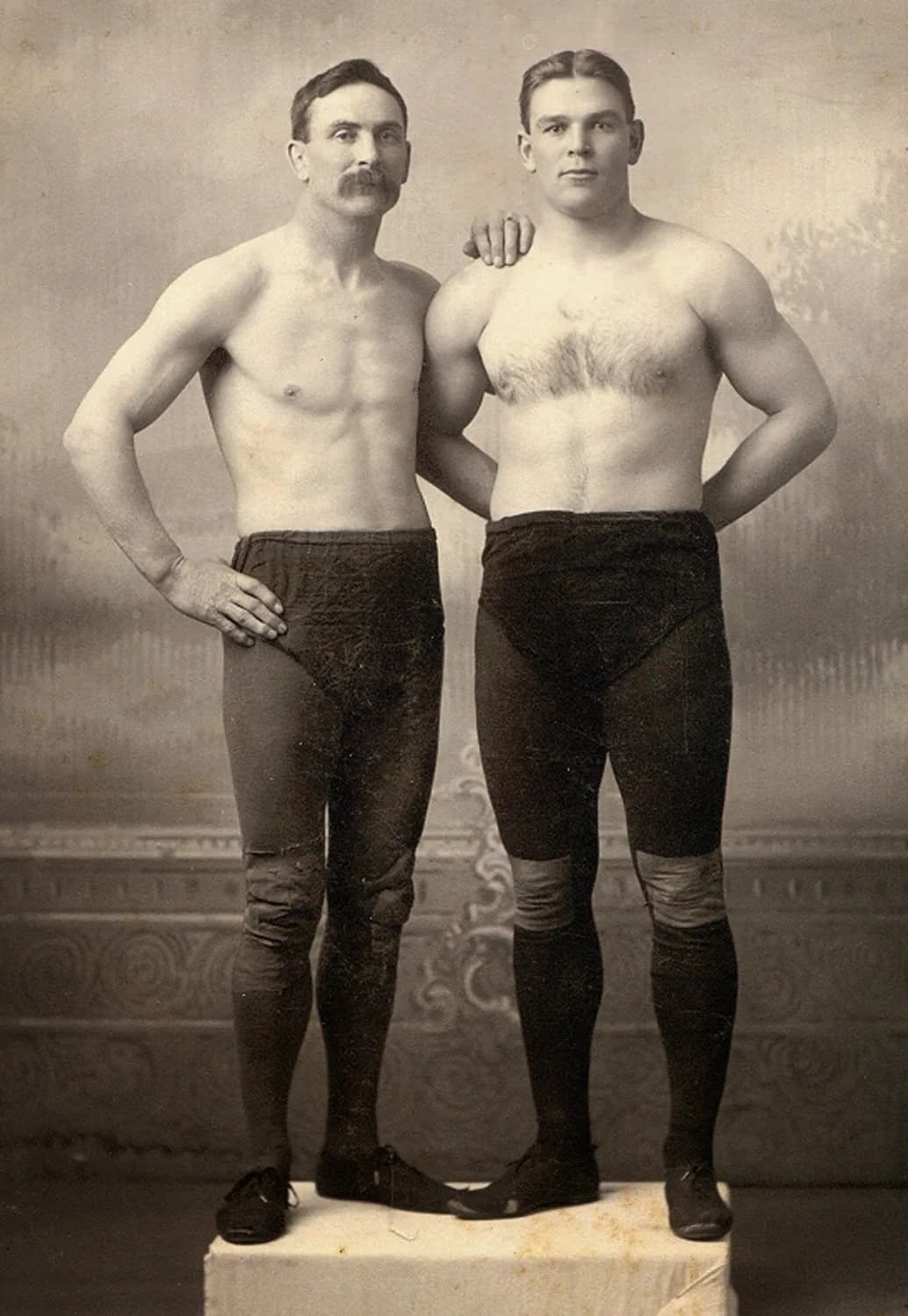
Through the 20th century amateur wrestling grew into one of the most widely contested Olympic sports, dominated in turn by the Soviet Union, the United States, Turkey, Iran, Japan and, in Greco-Roman, Cuba and the Nordic countries. The rules changed constantly – periods, scoring, the “clinch” for passive wrestlers – and not always for the better. Women's freestyle was added at the Athens Games in 2004. American folkstyle, the collegiate version with its emphasis on control and riding time, became the largest wrestling programme in the world by numbers of participants.
Then, in February 2013, the sport nearly lost everything. The IOC executive board recommended dropping wrestling from the 2020 Games, citing its scores for popularity, governance and television appeal. The reaction was immediate and global. American, Russian and Iranian wrestlers protested together; the federation removed its president and rewrote its rules to reward attacking wrestling; and in September 2013, seven months after the vote, the IOC session put wrestling back for 2020 and 2024. The scare produced a better sport, with clearer scoring and two three-minute periods, and a federation, renamed United World Wrestling in 2014, that promotes itself for the first time.
Four thousand years on
Wrestling's modern influence runs through fighting as much as through sport. Since the 1990s the takedowns, control and conditioning of wrestlers have made it the most valuable single base in mixed martial arts, where champions from Randy Couture and Georges St-Pierre to Khabib Nurmagomedov built careers on it; it is the reason the guard game of Brazilian jiu-jitsu developed as it did, and the reason strikers learn to sprawl. The folk styles keep their festivals, Kırkpınar and Naadam and the sumo basho. The Olympic styles keep their place. And the holds on the walls of Beni Hasan, four thousand years on, are still taught in the first week of any wrestling class.
Where to go next
- The wrestling discipline hub collects training articles, workouts and gear.
- Wrestling's ground-fighting cousin: Brazilian Jiu-Jitsu: From Maeda to the Gracies.
- The Japanese art built from throws: Judo: Kanō Jigorō and the Gentle Way.
- Strength for grappling: Kettlebell Strength for Fighters.
Sources
- United World Wrestling – History of wrestling
- Michael B. Poliakoff, Combat Sports in the Ancient World (Yale University Press, 1987)
- International Olympic Committee – Wrestling
- Mark S. Hewitt, Catch Wrestling: A Wild and Wooly Look at the Early Days of Pro Wrestling in America (Paladin Press, 2005)
- Wikipedia: History of wrestling
- Wikipedia: Wrestling at the 1896 Summer Olympics
- Wikipedia: Frank Gotch
- Wikipedia: Kırkpınar
Frequently asked questions
- Is wrestling really the oldest sport?
- It has the oldest evidence of any organised contest: a Sumerian bronze of two wrestlers from around 3000 BC and Egyptian tomb paintings of about 2000 BC that show hundreds of holds. Running is older as an activity, but wrestling is the oldest sport we can see being practised with recognisable technique.
- What is the difference between Greco-Roman and freestyle wrestling?
- Greco-Roman forbids any hold below the waist and any use of the legs to attack, so it is a sport of upper-body throws and lifts. Freestyle allows attacks on the legs and the use of the legs in holds, which makes takedowns and leg attacks central. Both are Olympic styles; women compete in freestyle only.
- Why is it called Greco-Roman?
- The style was developed by professional wrestlers in France in the 1840s and marketed as a revival of ancient wrestling; the name was coined by an Italian wrestler, Basilio Bartoletti, to give it classical prestige. It has little to do with what Greeks or Romans actually did.
- Is professional wrestling real wrestling?
- It began as real wrestling. Catch-as-catch-can professionals such as Frank Gotch and George Hackenschmidt fought legitimate matches in the 1900s. Promoters found staged matches more profitable, and by the 1920s professional wrestling had become the scripted entertainment it is today, though its holds still come from catch.
- When did women start wrestling in the Olympics?
- Women's freestyle wrestling was added at Athens in 2004 with four weight classes, expanded to six in 2016. World championships for women date from 1987.
- Why was wrestling almost dropped from the Olympics?
- In February 2013 the IOC executive board voted to remove wrestling from the 2020 programme, citing low popularity scores and poor governance. The sport's federation replaced its leadership, rewrote its rules to reward attacking wrestling, and won reinstatement at the IOC session in September 2013.