History
The History of Sambo: The Soviet Union's Martial Art
How a Kōdōkan judoka, a Dynamo self-defence instructor and a Moscow systematiser built sambo for the Red Army and the police, and how it became a world sport.
7 min read · 20 September 2026 · updated 21 September 2026
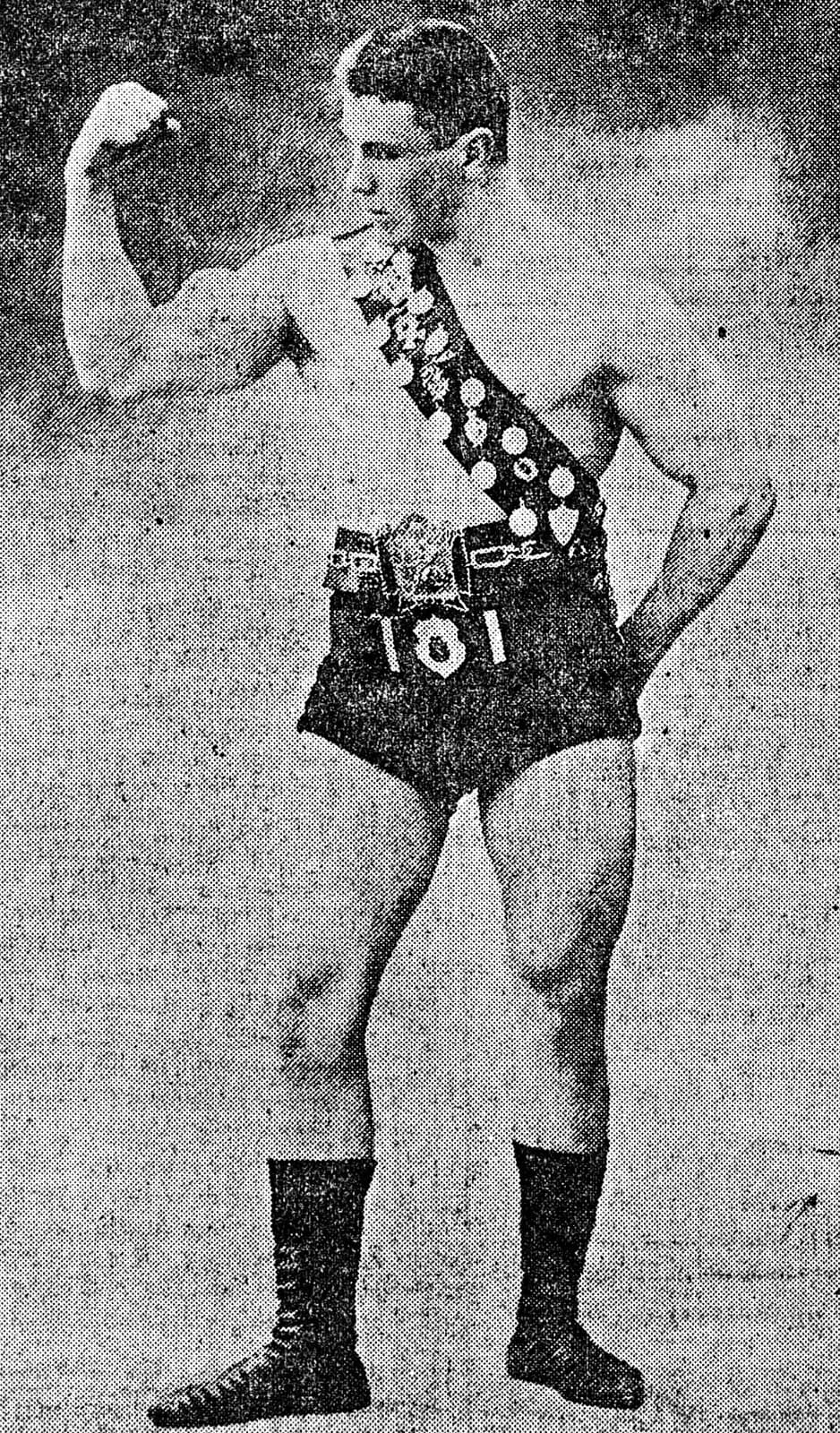
Photo: George Hackenschmidt, the Estonian-born champion of the Russian Empire's wrestling boom, in 1906. Public domain, via Wikimedia Commons.
In this article
Timeline
- 1890s–1910s
Wrestling booms in the Russian Empire: circus strongmen, Greco-Roman championships and the dozens of folk styles of its peoples.
- 1913
Vasili Oshchepkov, an orphan from Sakhalin educated in Japan, earns a second dan at the Kōdōkan – the first Russian judo black belt – and opens a judo club in Vladivostok the next year.
- 1923
Viktor Spiridonov, a wounded army officer, begins teaching self-defence to the Dynamo sports society of the security services in Moscow.
- 1929–1934
Oshchepkov teaches judo at the Moscow Central Institute of Physical Culture and adapts it with wrestling techniques from across the USSR.
- 1937
Oshchepkov is arrested during Stalin's purges as a suspected Japanese spy and dies in prison; his name is erased for decades.
- 1938
On 16 November the Soviet sports committee recognises “freestyle wrestling (sambo)” as a sport; Anatoly Kharlampiev presents the system.
- 1939
The first USSR sambo championship is held in Leningrad.
- 1941–1945
Sambo instructors train Red Army units in close combat during the Second World War.
- 1966
The international wrestling federation FILA recognises sambo as a third international wrestling style.
- 1972
First European Sambo Championship in Riga; first World Championship in Tehran in 1973.
- 1984
The Fédération Internationale de Sambo (FIAS) is founded as an independent world body.
- 2000s
Combat sambo becomes an official discipline; Fedor Emelianenko carries sambo to the top of mixed martial arts.
- 2021
The International Olympic Committee grants FIAS full recognition.
In October 1937 the NKVD came for the man who taught judo at the Moscow Central Institute of Physical Culture. Vasili Oshchepkov had spent his youth in Japan and held a second dan from the Kōdōkan, and in the year of the purges that was evidence enough: he was arrested as a suspected Japanese spy and died in Butyrka prison ten days later, officially of a heart attack. Thirteen months after that, on 16 November 1938, the Soviet sports committee recognised the wrestling system he had spent a decade building as an official sport. His name was not on the paperwork. It would not appear in a Soviet account of the art for another fifty years.
The short answer: sambo is the grappling art the Soviet Union built for itself in the 1920s and 1930s, assembled from Kōdōkan judo, the folk wrestling of the USSR's many peoples and Western boxing and catch. The name is an acronym, SAMozashchita Bez Oruzhiya, “self-defence without weapons”. Three men made it – a judoka who died as a spy, a wounded officer who taught the secret police, and a Moscow instructor who wrote the rulebook – and for half a century the state that owned it told only a third of the story.
Key facts
- Name
- SAMozashchita Bez Oruzhiya – “self-defence without weapons”
- Founders
- Vasili Oshchepkov (judo), Viktor Spiridonov (self-defence), Anatoly Kharlampiev (systematiser)
- Recognised
- 16 November 1938 by the USSR sports committee; first championship 1939
- Branches
- Sport sambo (jacket, no chokes, leg locks) and combat sambo (strikes and submissions)
- World body
- FIAS, founded 1984; FILA recognition 1966; first Worlds 1973
- Olympic status
- IOC full recognition 2021; not on the Games programme
An empire that could not stop wrestling
Russia went wrestling-mad at the end of the 19th century. Circuses toured the empire with strongmen and Greco-Roman champions, athletic clubs opened in St Petersburg and Moscow, and two wrestlers, Ivan Poddubny and the Estonian-born George Hackenschmidt, became national heroes. Underneath the circus tent the empire's peoples had their own wrestling: Georgian chidaoba, Tatar and Bashkir kuresh, Armenian kokh, Uzbek kurash, Yakut khapsagai, each with its own jacket, its own belt grip and its own throws. Sambo's founders would take something from all of them.
The other ingredient came from the East, as a lesson. After Japan beat Russia in the war of 1904–1905, Russian officers and police wanted to know what the Japanese knew, and jujutsu and judo manuals were translated for them. One of the officers reading was a man named Spiridonov. Half of sambo would grow from what he read.
The orphan from Sakhalin
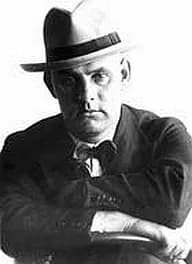
Vasili Oshchepkov (1892–1937) was born on Sakhalin, the island north of Japan, to a convict mother, and was orphaned young. When Japan took the southern half of the island in 1905 he was sent to a Russian Orthodox seminary in Kyoto, and the seminary taught judo. He was admitted to the Kōdōkan in 1911 and had his black belt two years later, the first Russian and one of the first Europeans to earn one; a second dan followed. He went home to the Russian Far East, opened a judo club in Vladivostok in 1914, staged the first international judo match on Russian soil against a visiting Japanese team, and after the revolution worked for Soviet military intelligence in Japan, training all the while.
From 1929 he taught judo at the Moscow Central Institute of Physical Culture, the Soviet Union's main sports academy, and he changed it as he taught. Out went the judogi, replaced by a lighter jacket and shorts. In came the leg locks judo had banned, throws from the folk styles and from Greco-Roman and freestyle, and a system of weight classes and points that looked more like wrestling than judo. He called it dzyudo, then freestyle wrestling. His students called it Oshchepkov's system, and it is the technical foundation of sport sambo to this day.
Then the purges came. His years in Japan and his Kōdōkan rank, the very things that had made him useful, became the charge sheet. He was arrested in October 1937 and dead within ten days. His name was removed from the history of the art he had built and did not return to Soviet accounts until the late 1980s. Every sambo textbook published between 1938 and 1990 credited his student instead.
Spiridonov and the men with Dynamo badges
Viktor Spiridonov (1882–1944) was a career officer who had learned his jujutsu from those manuals before the First World War and had been badly wounded in it. In 1923 he began teaching self-defence to the Dynamo sports society, the athletic organisation of the Soviet security police. His system, which he called samoz, drew on jujutsu, boxing and the wrestling of his own youth, and it was built for one job: to let an officer restrain, disarm and arrest a man without a weapon. It was practical, secret, and taught to nobody outside the police and security services.
Spiridonov and Oshchepkov knew each other's work, competed for influence and, by most accounts, disliked each other, which is often how an art ends up being invented twice. For a decade the two streams ran side by side: applied self-defence at Dynamo, sport at the Institute. Joining them would fall to a third man, and to a name that had been Spiridonov's all along.
1938: recognition, and the man who got the credit
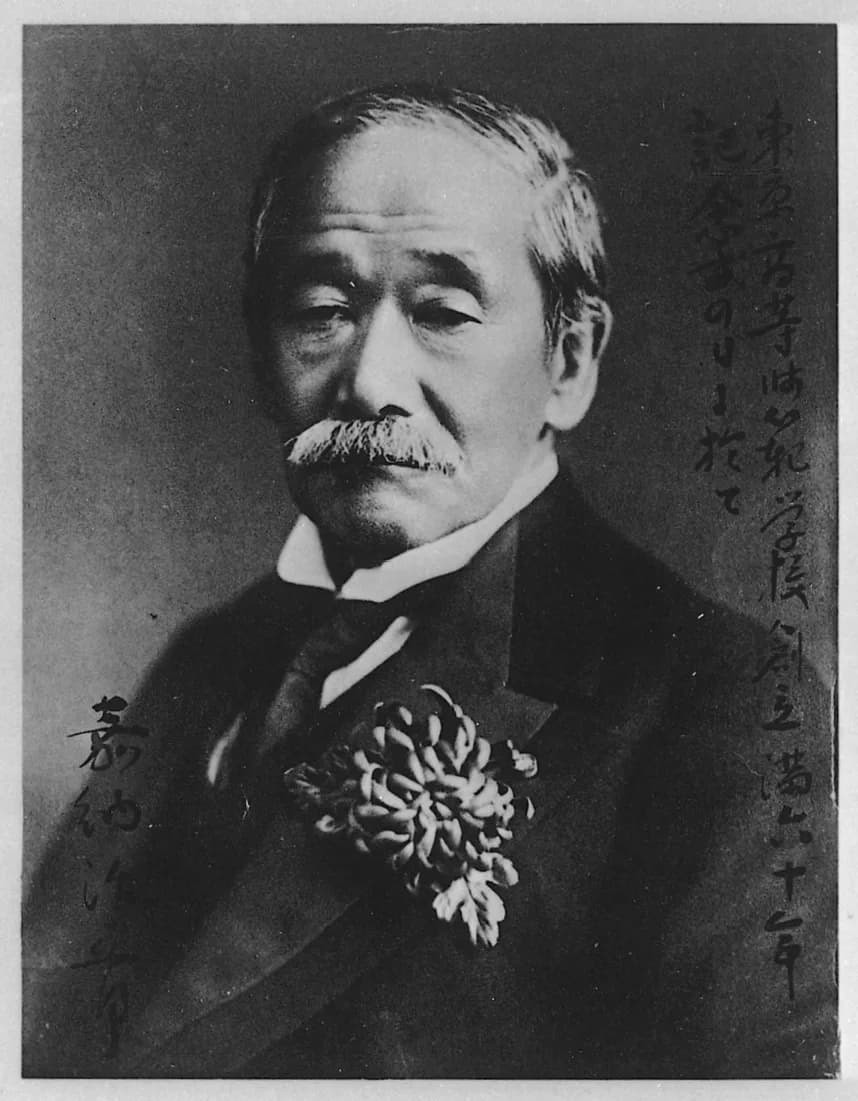
Anatoly Kharlampiev (1906–1979) was the son of a boxer and a student of Oshchepkov at the Institute, and he spent the 1930s on the road through the Soviet republics, collecting folk-wrestling techniques and building them onto his teacher's syllabus. In 1938, one year after Oshchepkov's death, Kharlampiev presented the system to the All-Union Committee on Physical Culture and Sport. On 16 November 1938 the committee recognised “freestyle wrestling (sambo)” as a Soviet sport with its own rules and its own championships, and the first USSR championship was held in Leningrad the following year. Kharlampiev wrote the standard textbook, Borba Sambo, coached for four decades and was celebrated by the Soviet state as the founder of the art. In public he never mentioned Oshchepkov. Whether from fear, ambition or both is still argued about; since the 1990s the Russian federations have put Oshchepkov's name back beside Spiridonov's and Kharlampiev's.
The name settled in the 1940s. Sambo, the acronym for “self-defence without weapons”, had been Spiridonov's word for the Dynamo system; after the war it was applied to both branches, and the two were formally separated. Sport sambo was the version with a jacket, points and championships. Combat sambo was the version taught to the army, the police and the special units, whose instructors had trained Red Army units in close combat between 1941 and 1945, and it stayed out of public competition until the 1990s.
A Soviet sport goes international
Through the 1950s sambo stayed a Soviet secret, and foreigners met it by accident. When the USSR entered international judo in the early 1960s, its team, trained in sambo halls, beat European champions with unfamiliar throws and leg attacks, and Soviet judoka came home from the 1964 Olympics with medals won on a sambo base. Then the doors opened, one at a time. In 1966 the wrestling federation FILA recognised sambo as a third international style beside Greco-Roman and freestyle. The first European championship was held in Riga in 1972, the first world championship in Tehran in 1973. In 1984 the sport left FILA to found its own body, FIAS, the Fédération Internationale de Sambo, and the collapse of the Soviet Union in 1991 sent its coaches, and the art, out into the world.
The 2000s brought a second kind of fame. Combat sambo, opened to competition in the 1990s with strikes, throws and submissions, turned out to be a formidable preparation for mixed martial arts. Fedor Emelianenko, a combat sambo world champion, was the best heavyweight in the world for most of the decade; Khabib Nurmagomedov and a generation of Dagestani and Russian champions followed, with a wrestling base and a knowledge of leg locks that came straight from sambo. FIAS received provisional recognition from the IOC in 2018 and full recognition in 2021, in the same session that recognised Muay Thai and kickboxing. Sambo has been contested at the European Games and the Asian Games and is still campaigning for a place at the Olympics.
Sambo today is practised in more than 100 countries, in a jacket, shorts and soft shoes that Oshchepkov would recognise, with the leg locks he allowed and the chokes he removed. The founding story is now told in full by the Russian federation itself: a judoka, a self-defence instructor and a systematiser, one of them shot for the very training that made the art possible.
Where to go next
- The sambo discipline hub collects training articles, workouts and gear.
- Sambo's Japanese root: Judo: Kanō Jigorō and the Gentle Way.
- Its wrestling root: The History of Wrestling.
- Where combat sambo went next: The History of MMA.
Sources
- Fédération Internationale de Sambo (FIAS) – History of sambo
- International Olympic Committee – IOC Session approves full recognition of five federations (2021)
- Anatoly Kharlampiev, Borba Sambo (Moscow, 1949; later editions)
- Vasili Oshchepkov's Kōdōkan record – Kōdōkan Judo Institute
- Wikipedia: Sambo (martial art)
- Wikipedia: Vasili Oshchepkov
- Wikipedia: Viktor Spiridonov
- Wikipedia: Anatoly Kharlampiev
Frequently asked questions
- What does sambo mean?
- It is a Russian acronym: SAMozashchita Bez Oruzhiya, “self-defence without weapons”. It has nothing to do with the English word; the sport is also spelled sambo, sombo and cambo in different countries.
- Who invented sambo?
- Three men, in stages. Vasili Oshchepkov, a Kōdōkan-trained judoka, taught judo in Vladivostok and Moscow from 1914 and merged it with Soviet wrestling styles; Viktor Spiridonov built a self-defence system for the security services from jujutsu and boxing; Anatoly Kharlampiev, Oshchepkov's student, systematised the sport and presented it for recognition in 1938.
- Is sambo the same as judo?
- Sport sambo descends from judo and shares its throws, but it uses a jacket with shorts rather than trousers, scores throws and pins on its own system, allows leg locks and forbids chokes. Combat sambo adds strikes and chokes and looks closer to mixed martial arts.
- What is combat sambo?
- The military and full-contact version: throws, pins and submissions plus punches, kicks, knees and headbutts in competition with headgear and gloves. It was the training method of Soviet special units and the base of fighters such as Fedor Emelianenko and Khabib Nurmagomedov.
- Why was sambo hidden for so long?
- It was a Soviet state sport, taught within the army, police and Dynamo clubs, and it was not shown to foreigners until the 1960s. Its Japanese roots were also politically awkward: Oshchepkov was executed as a Japanese spy in 1937, and Soviet histories credited Kharlampiev alone until the 1990s.
- Is sambo an Olympic sport?
- Not on the programme, but its federation FIAS received provisional IOC recognition in 2018 and full recognition in 2021, the same session that recognised Muay Thai and kickboxing. Sambo has been part of the European Games and the Asian Games.