History
The Samurai and Their Martial Arts: From Bujutsu to Budō
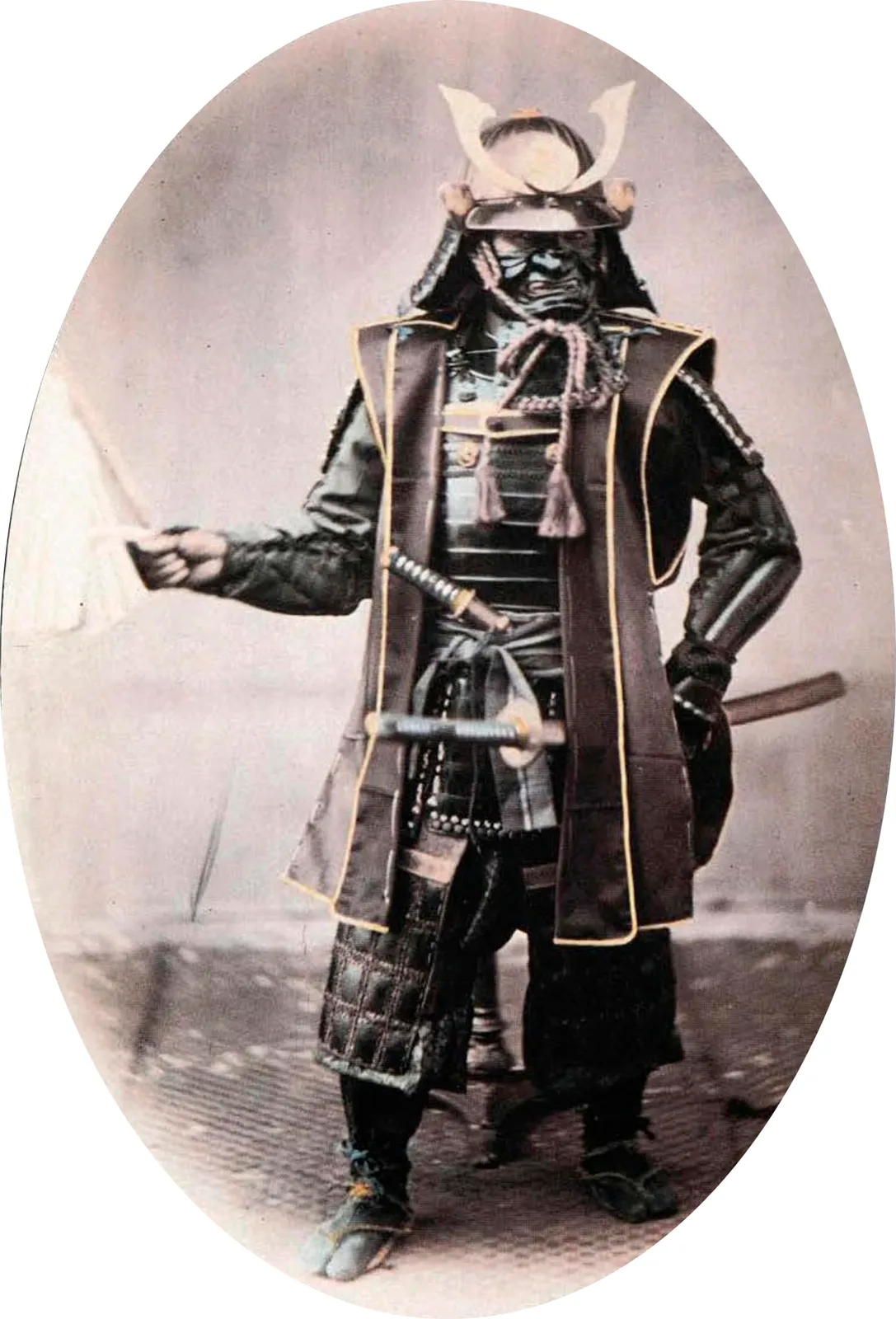
How Japan’s warrior class rose with the bow, ruled with the sword, lost both to rifles and a law, and left behind judo, kendo and aikido.
10 min read · 21 Sept 2026
Discipline hub
The “gentle way”: throws, pins, joint locks and strangles – Olympic since 1964.

Judo (柔道, “the gentle way”) was developed in 1882 by Kanō Jigorō from several jūjutsu schools. The core idea: throw the opponent onto their back, pin them on the ground, or force a submission with a joint lock or strangle. There are no strikes or kicks in competition judo.
Anyone who wants to learn throwing technique and body awareness and values a structured path with a belt system. Judo is available almost everywhere through clubs and is one of the cheapest ways into martial arts: a gi is all you need.
Further reading: Judo on Wikipedia
Judo
History
How Japan’s warrior class rose with the bow, ruled with the sword, lost both to rifles and a law, and left behind judo, kendo and aikido.
10 min read · 21 Sept 2026
History
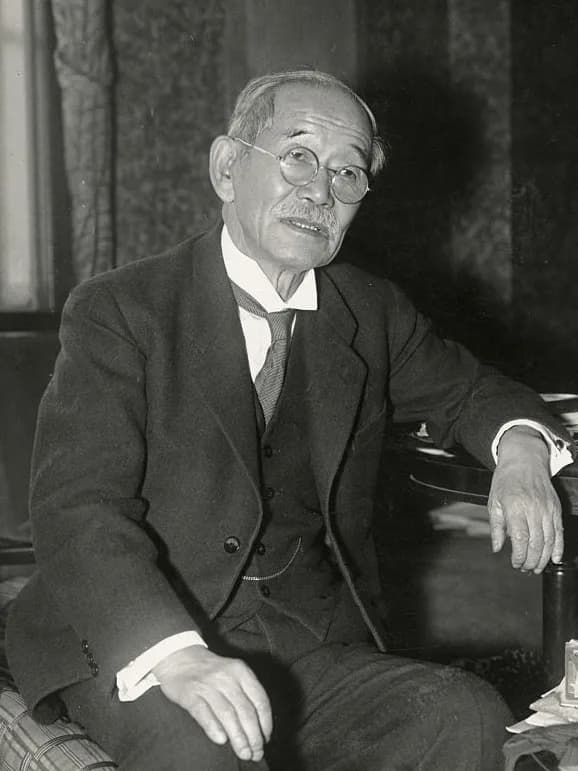
The life of Jigorō Kanō (1860–1938): the bullied boy from Mikage who built the Kōdōkan, ran Japan’s teacher training and became Asia’s first IOC member.
10 min read · 21 Sept 2026
History
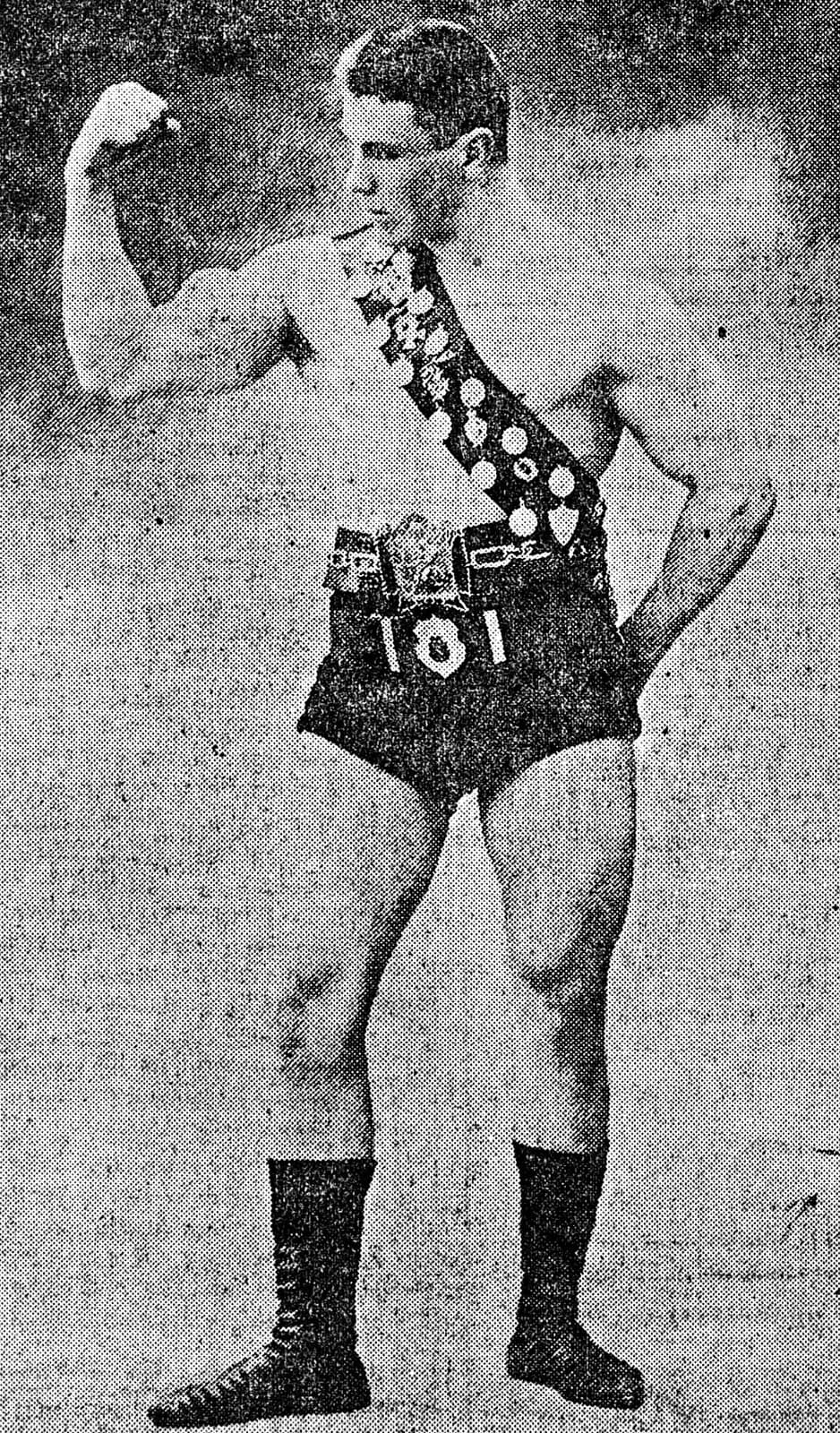
How a Kōdōkan judoka, a Dynamo self-defence instructor and a Moscow systematiser built sambo for the Red Army and the police, and how it became a world sport.
7 min read · 20 Sept 2026
History
How Maeda Mitsuyo brought judo to Brazil, how the Gracies rebuilt it around leverage, and how UFC 1 in 1993 made it the grappling base of MMA.
9 min read · 17 Sept 2026
History
How Kanō Jigorō turned samurai jujutsu into judo in 1882, why the Kōdōkan beat the old schools, and how the gentle way became an Olympic sport.
10 min read · 17 Sept 2026
Judo
Training
No single art wins a street fight. An honest ranking of ten martial arts for self-defence by what actually matters: pressure-testing, speed and range.
9 min read · 21 Sept 2026
Training
How a judo match is won: ippon, waza-ari, the 20-second hold, three shido, golden score and the referee's signals, under IJF rules as of 2026.
8 min read · 21 Sept 2026
Training
Which martial art suits your child? A guide by age and temperament: judo, BJJ, karate, taekwondo, wrestling and boxing, plus how to judge a club.
8 min read · 21 Sept 2026
Training
Strength over position, tapping late, collecting techniques, only rolling with weaker partners: eight habits that stretch the white belt year, and the fix.
8 min read · 20 Sept 2026
Training
Seven days out you gain no fitness but can lose a lot. A day-by-day plan for training, sleep, weight, routine and nerves, built on tapering research.
7 min read · 17 Sept 2026
Judo
Workout
Hips, back, grip and core with one kettlebell in thirty minutes: swings, squats, rows, presses, carries. Which bell to buy, how to lift, how to progress.
5 min read · 17 Sept 2026
Judo
Guide
From the weigh-in to the first bell: what to drink and eat, how much and when, so you step into the ring at full strength – with research-backed timings.
6 min read · 17 Sept 2026
Guide
Lose fat or drop water? How much is realistic, when to start, what to eat in a deficit and where the line is. A sober, sourced guide without extreme protocols.
7 min read · 17 Sept 2026
Judo
Comparison
Two arts from the same jujutsu root, one with competition and one without: technique, training, effectiveness, injuries and purpose compared, which to choose.
5 min read · 20 Sept 2026
Comparison
Judo throws, BJJ finishes on the ground. What each trains, how they differ in rules, cost, injuries and time to competence, and which to pick for your goals.
9 min read · 20 Sept 2026
Comparison
Throws with a jacket versus takedowns without one: technique, rules, injuries, cost and transfer to MMA and BJJ compared, and which takedown art to choose.
7 min read · 20 Sept 2026