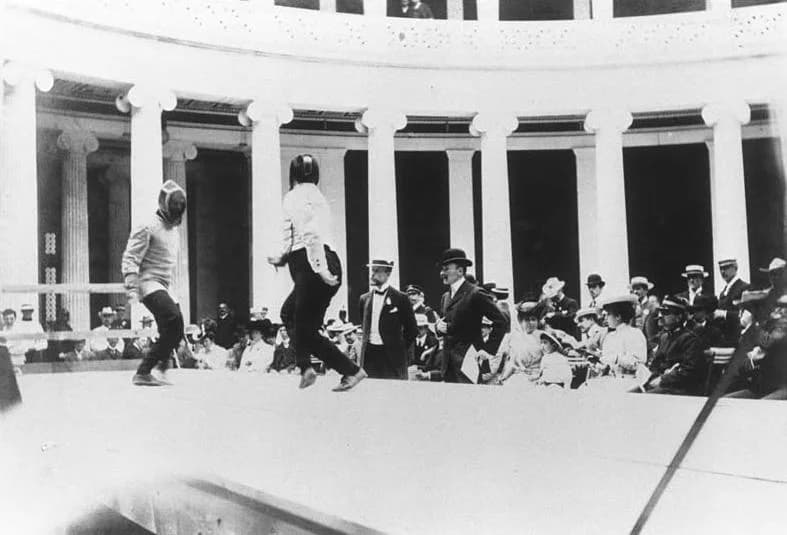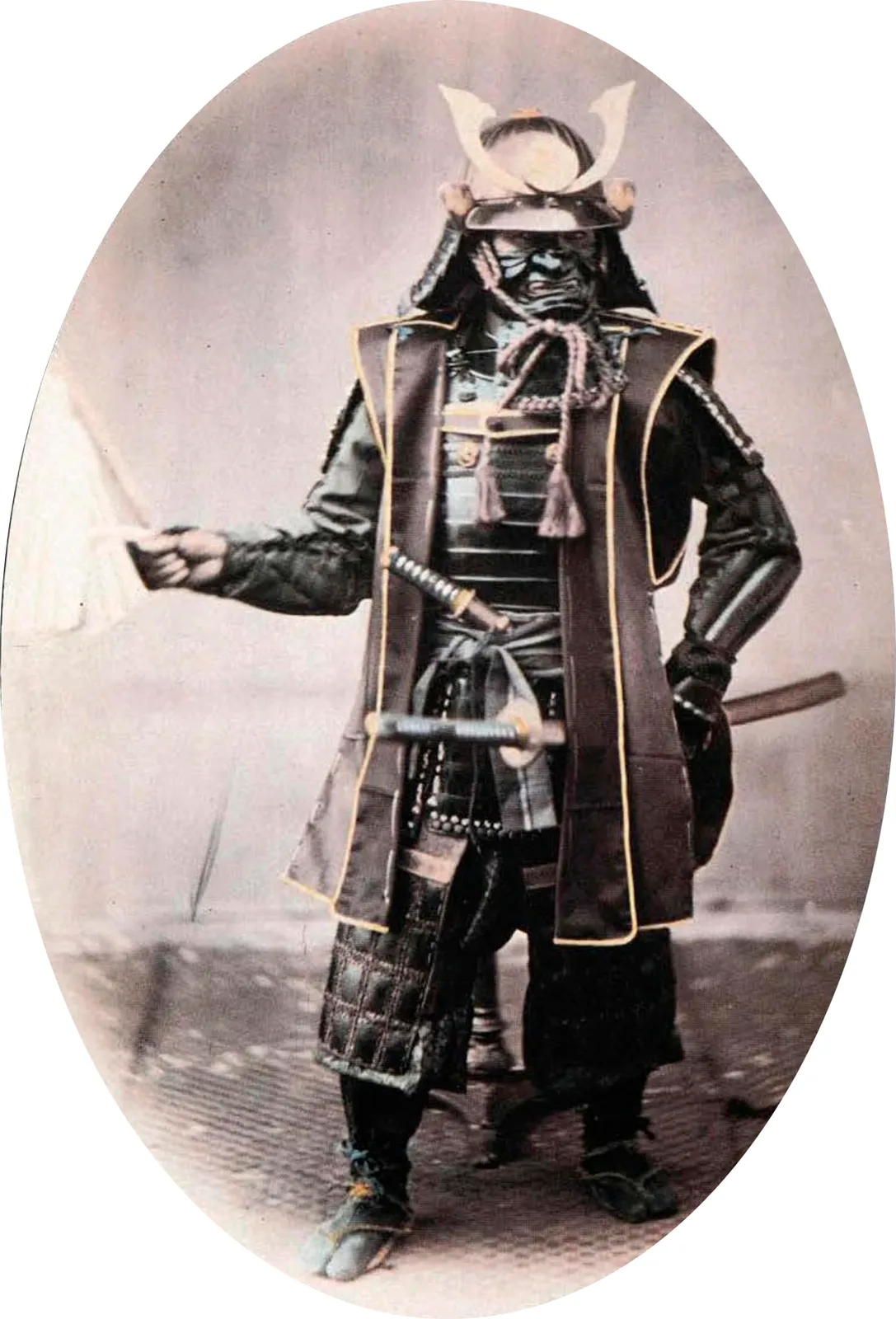
History
The Samurai and Their Martial Arts: From Bujutsu to Budō
How Japan’s warrior class rose with the bow, ruled with the sword, lost both to rifles and a law, and left behind judo, kendo and aikido.
10 min read · 21 Sept 2026
Discipline hub
Japanese fencing with bamboo sword and armour – speed, spirit and etiquette.
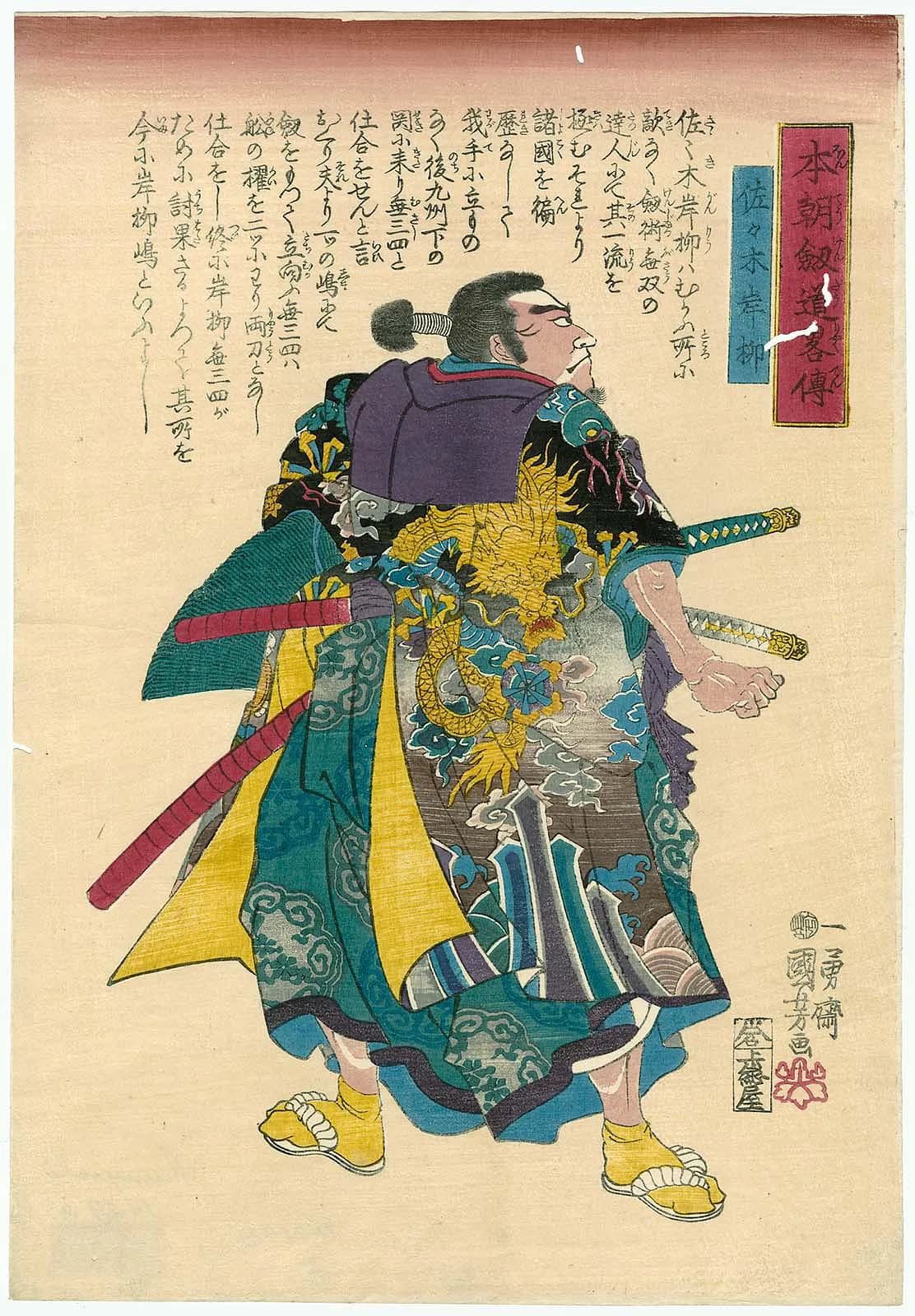
Kendo (剣道, “way of the sword”) descends from kenjutsu, the sword schools of the samurai. Practice with the bamboo shinai and protective armour (bōgu) made full-speed sparring possible, and the modern sport was organised under the All Japan Kendo Federation in 1952. The International Kendo Federation followed in 1970.
Anyone who wants explosive, decisive movement and a deep tradition. The armour is a bigger investment than in most arts, but clubs usually lend beginner sets. Expect loud training and a lot of footwork before you ever hit anything.
Further reading: Kendo on Wikipedia
Kendo
History
How Japan’s warrior class rose with the bow, ruled with the sword, lost both to rifles and a law, and left behind judo, kendo and aikido.
10 min read · 21 Sept 2026
History
How the samurai fencing schools invented armour and the bamboo sword, survived the end of their class, and became kendo, practised by millions.
7 min read · 20 Sept 2026
History
How the sword schools of Renaissance Italy and France turned the duel into a science, invented foil, mask and sabre, and became a founding Olympic sport.
7 min read · 20 Sept 2026
Kendo
Comparison
The bamboo sword and the épée: weapons, targets, scoring, training culture, cost and purpose compared, and which sword sport to take up.
6 min read · 20 Sept 2026