Comparison
Kendo vs Fencing: Two Sword Arts Compared
The bamboo sword and the épée: weapons, targets, scoring, training culture, cost and purpose compared, and which sword sport to take up.
6 min read · 20 September 2026 · updated 21 September 2026
In this article
At a glance
Weapon
- Kendo
- Shinai, a two-handed bamboo sword; bokken for kata
- Fencing
- Foil, épée or sabre – one-handed steel blades
Origin
- Kendo
- Japan; from the samurai sword schools, formalised in the 19th–20th centuries
- Fencing
- Europe; from Renaissance duelling schools, sport rules from the 19th century
Targets
- Kendo
- Head (men), wrist (kote), body (dō), throat (tsuki)
- Fencing
- Foil: torso; épée: whole body; sabre: above the waist
What scores
- Kendo
- Ippon: a correct strike on a target with spirit (kiai), correct posture and follow-through (zanshin), judged by three referees
- Fencing
- A touch registered electrically; foil and sabre also apply right of way
Armour
- Kendo
- Bōgu: helmet with face grille, gloves, breastplate, hip protector
- Fencing
- Mask, jacket, glove, plastron, breeches; electric vest for foil and sabre
Movement
- Kendo
- Upright, forward, two-handed cuts and thrusts; footwork in a straight line
- Fencing
- Crouched, explosive lunges and retreats along a strip
Fitness
- Kendo
- High: legs, core, shoulders; explosive and endurance
- Fencing
- High: legs above all; anaerobic bursts
Injury profile
- Kendo
- Low; bruises, feet, occasional Achilles strains
- Fencing
- Low; bruises, knees and ankles from lunging
Competition
- Kendo
- World championships every three years; no Olympic status
- Fencing
- Olympic since 1896; world cups; strong university scene
Cost
- Kendo
- Bōgu is the big purchase; clubs often lend to beginners
- Fencing
- Kit is moderate; electric equipment adds up; clubs lend to beginners
Access
- Kendo
- Clubs in most large cities, often linked to Japanese communities or universities
- Fencing
- Clubs and university teams almost everywhere
Picture a strike that lands square on the helmet and scores nothing. The bamboo found the target, and the three referees give it nothing, because the cut was weak, the posture was wrong and the kendoka was silent. Now the other hall: a blade tip touches a jacket, a light comes on, and the point is on the board. Those two moments are the whole argument between kendo and fencing. They are what became of two sword traditions once the duel was over, the samurai's and the European duellist's, and they disagree, politely, about what a hit is.
The short answer: both are safe, athletic and strategic, and neither pretends to be real sword fighting. Kendo keeps the culture of the Japanese sword – a two-handed bamboo shinai, armour, and a shout and a follow-through required for every valid strike – inside a dojo etiquette that is half the point. Fencing is an Olympic sport of the one-handed European blade, electric scoring and pure speed on a narrow strip. Choose kendo for the discipline, the culture and the committed cut; choose fencing for a fast, tactical Olympic sport with a club at most universities.
Kendo: the cut has to mean it
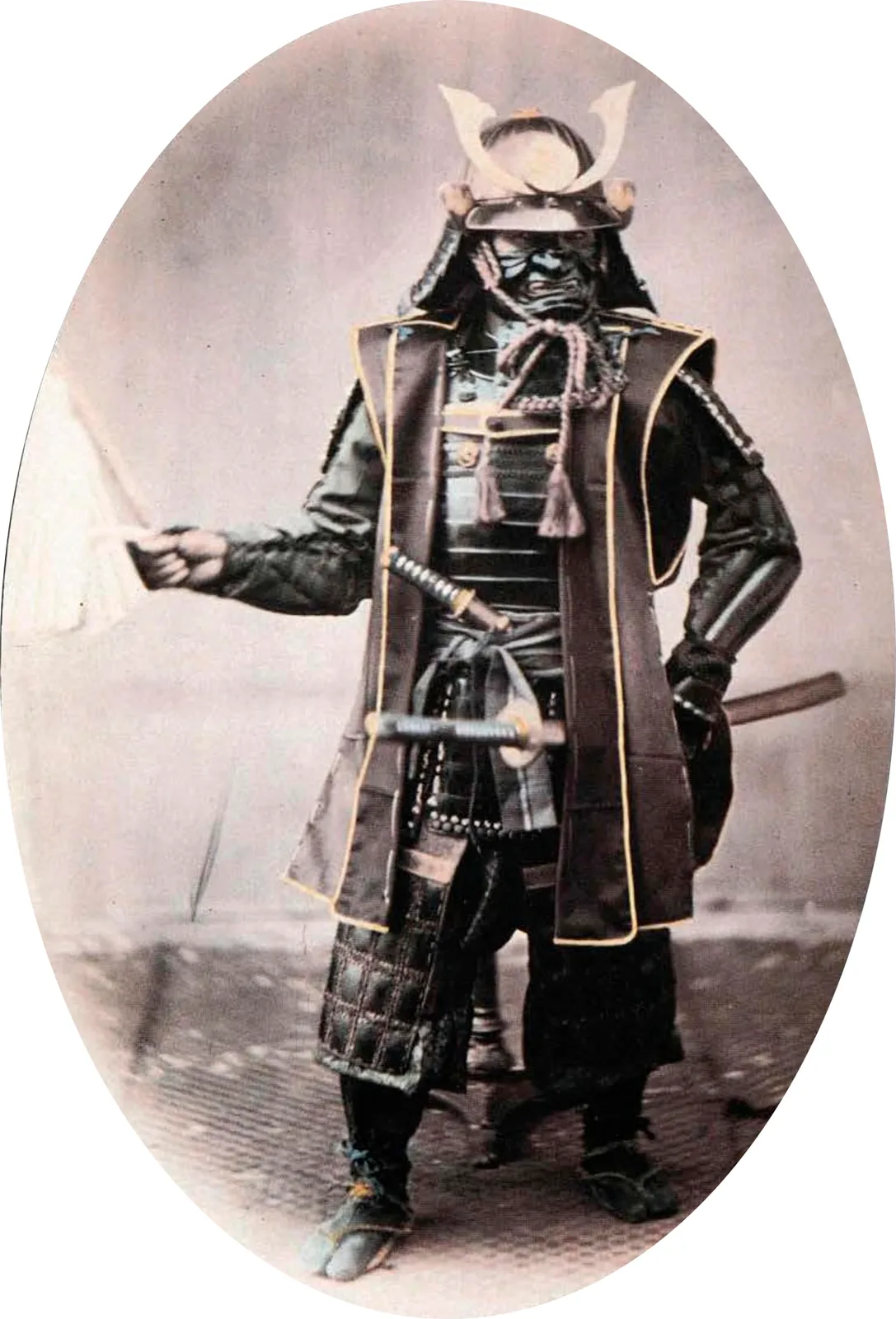
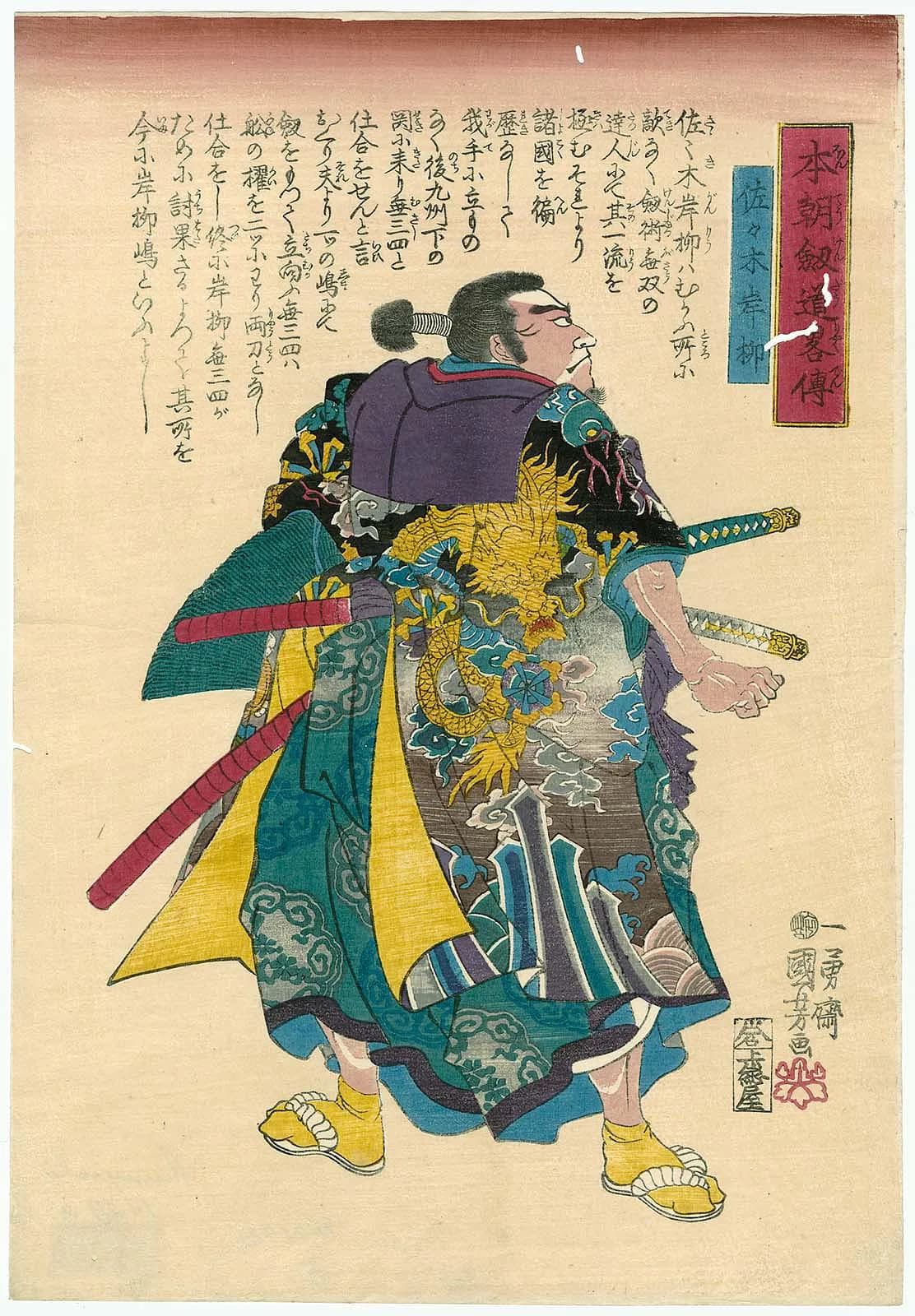
Kendo is the sport form of the Japanese sword. It grew from the samurai fencing schools of the Edo period, which came up with the shinai, a bamboo sword, and the bōgu, protective armour, so that students could hit each other at full speed without injury. It outlived the abolition of the samurai class and the ban after 1945, and was rebuilt as an educational sport in the 1950s under the All Japan Kendo Federation. A kendoka wears a helmet with a face grille, padded gloves, a breastplate and a hip protector, and strikes four targets – the head, the wrists, the body and, for adults, the throat – with two-handed cuts and thrusts. A valid point, ippon, asks for more than contact: correct posture, the right target struck with the right part of the shinai, a shout of spirit, and zanshin, the awareness and follow-through that continue after the cut, all of it seen and agreed by three referees. Kata with wooden swords, etiquette and a grading ladder that goes on for a lifetime are part of the practice, and the highest ranks are held by people in their seventies. The history is in The History of Kendo.
Kendo's character is commitment. Every strike is the whole body and the whole voice, and the sport pays for the decisive, correct action rather than a pile of touches.
Fencing: the touch is the touch
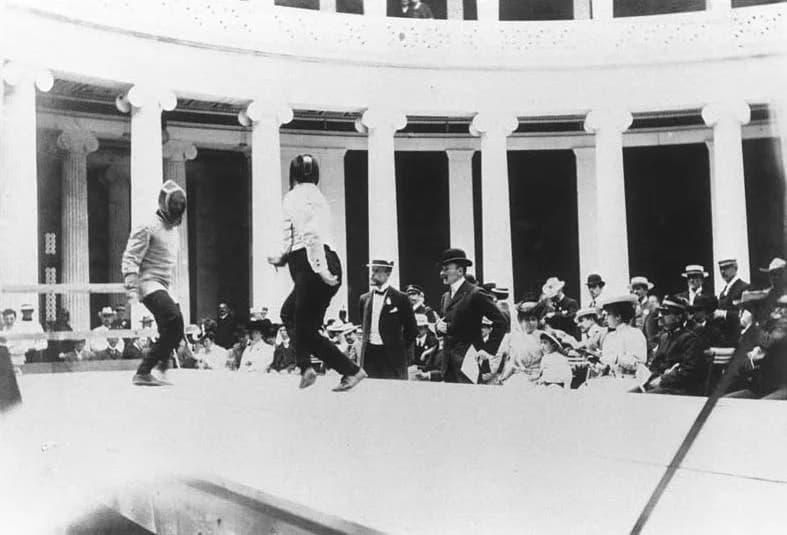
Fencing is the sport form of the European duelling sword, codified in the 19th century from the fencing schools of Italy and France and Olympic since the first modern Games in 1896. Three weapons make three sports. Foil is a light thrusting weapon with the torso as target and a right-of-way rule that gives the touch to the fencer who attacked correctly. Épée is heavier, the whole body is target and there is no right of way, so whoever hits first scores. Sabre cuts as well as thrusts, the target is everything above the waist, and right of way applies. Touches register electrically, fencers move along a strip in explosive lunges and retreats, and a bout is fast and tactical, a game of distance, timing and provoking the wrong reaction. Fencing has a large club and university structure across most Western countries and a deep competitive ladder. Read more in The History of Fencing.
Fencing's character is speed and decision. The blade decides, and the sport pays the fencer who reads the other one first.
What counts as a hit
This is the deepest difference. In fencing a hit is a hit: the box registers it, and in foil and sabre the referee applies right of way to settle whose it was. In kendo a hit is the beginning of a conversation. The strike must be on target, with the correct part of the shinai, with correct posture, with a kiai, and followed by zanshin, and three referees must see all of it. A weak, unposed, silent strike on the head scores nothing. That rule keeps kendo close to the logic of a real cut, which would have to be committed to matter, and it is why a kendo bout has fewer points and more weight per point than a fencing bout's flurries. If that sounds maddening, fencing is your sport. If it sounds like the point, kendo is.
One hand crouched, two hands upright
Fencing is a one-handed weapon and linear, crouched, explosive footwork: the lunge, the fleche, the retreat, along a strip. Kendo is a two-handed weapon and an upright, forward-driving posture: the whole body moves into the cut, the feet slide and stamp, and the bout goes to whoever commits correctly at the right instant. Both train the legs hard. Kendo adds the shoulders and the core and a long, sweaty practice inside armour; fencing adds the fastest reactions in any sport. Injury rates in both are low, because the equipment does its job, and the usual complaints are bruises, feet and knees, with the occasional Achilles strain in kendo and an ankle from lunging in fencing.
What you get with it, and what it costs
Kendo arrives with its culture attached: etiquette, seated meditation, formal grading, the dojo as a place with rules, and the sense that how you strike matters as much as whether you did. Fencing is a sport with a sport's culture, coaches, competitions and rankings, and the etiquette to match. Costs are moderate in both. Kendo's bōgu is the one large purchase and can equal a year of club fees, though most clubs lend it to beginners for months; fencing's kit is spread over more items, and the electric equipment adds up. Both cost less than a commercial martial arts gym. Fencing is easier to find, with clubs and university teams almost everywhere; kendo clubs exist in most large cities, often near a university or a Japanese community. The nearer good club wins.
Choose kendo if …
- The Japanese sword tradition, its etiquette and its discipline are part of the appeal.
- You want a sport that rewards the single committed action over volume.
- You like whole-body training and long, structured practices.
- Lifelong grading and a dojo community matter more to you than an Olympic pathway; kendo's world championships come every three years and it has no Olympic status.
Choose fencing if …
- You want a fast, tactical Olympic sport with a clear competitive ladder.
- Speed of reaction and decision is what excites you.
- You want a club near you, often at a university, with an easy start.
- You prefer the touch to decide, not a referee's judgement of form.
Doing both
Rare, and interesting where it happens. Kendoka who fence learn what one-handed distance and right of way do to timing; fencers who try kendo find out what a committed cut with the whole body feels like. The footwork does not transfer and the grip is the opposite way round. The reading of distance and intention – the thing both sports are really about – transfers completely.
Where to go next
- The hubs: Kendo and Fencing.
- The histories: The History of Kendo and The History of Fencing.
- The other weapon arts on the site: Kali / Eskrima and The History of Kali, Eskrima and Arnis.
Frequently asked questions
- Is kendo or fencing more realistic as sword fighting?
- Neither is, and both know it: they are sports that keep the movements, timing and spirit of a sword tradition without the killing. Kendo's insistence on a full, committed cut with posture and follow-through is closer to how a sword would actually be used; fencing's speed and its emphasis on the touch are closer to the duel of honour it came from.
- Which is more physically demanding?
- Both are hard in different ways. Kendo is whole-body – legs, core, shoulders, breath – and its practices are long; fencing is legs and explosive bursts on the strip. Neither is a gentle sport, and both suit people who want to sweat while thinking.
- Is kendo expensive?
- The armour, bōgu, is the big cost and can equal a year of club fees, though most clubs lend it to beginners for months. After that, shinai wear out and are cheap, and club fees are modest. Fencing kit is spread over more items and electric equipment adds up; both sports cost less than a commercial martial arts gym.
- Can adults start kendo or fencing?
- Yes, both, and both have adult beginner classes in most clubs. Kendo's grading system goes on for decades and its highest ranks are held by people in their seventies; fencing's club scene has veterans' categories. Neither requires a childhood start to be enjoyable.
- Which is better for kids?
- Fencing has the bigger children's structure in most Western countries and the Olympic pathway; kendo has an excellent youth culture where it exists, with discipline and etiquette at the centre. Both are safe. The nearer good club wins.
- Do kendo and fencing help with other martial arts?
- Indirectly: both train distance, timing, decision under pressure and footwork, which transfer to any striking art. Neither teaches empty-hand technique, and neither will help in a grappling exchange.